
DIY Bookkeeping Tips for Small Business Owners in Bellevue


Understanding the Basics of Bookkeeping
Bookkeeping is an essential part of running a successful small business. It involves recording all financial transactions to help you track income and expenses. This practice is crucial for making informed business decisions and preparing for tax season. For small business owners in Bellevue, mastering DIY bookkeeping can save both time and money.
By keeping accurate financial records, you can better understand your business's financial health. This understanding allows you to budget more effectively and identify opportunities for growth. Additionally, having organized records makes it easier to provide necessary information to accountants or tax professionals.

Essential Tools for DIY Bookkeeping
To get started with DIY bookkeeping, investing in the right tools is key. There are several software options available that cater to small business needs. Platforms like QuickBooks, FreshBooks, and Wave offer user-friendly interfaces and a range of features to streamline your bookkeeping process.
These tools can help automate tasks such as invoicing, expense tracking, and financial reporting. By using software designed for small businesses, you can ensure that your financial records are accurate and up-to-date. Many of these platforms also offer mobile apps, allowing you to manage your finances on the go.
Choosing the Right Software
When selecting bookkeeping software, consider factors like cost, ease of use, and customer support. It's important to choose a platform that aligns with your business needs and budget. Many software providers offer free trials, so take advantage of these to find the best fit.

Implementing a Consistent Bookkeeping Routine
Consistency is crucial when it comes to bookkeeping. Set aside a regular time each week to update your financial records. This routine will help prevent errors and ensure that your books are always current. Regular updates also make it easier to identify any discrepancies or unusual transactions.
Consider creating a checklist of tasks to complete during each bookkeeping session. This list might include entering income and expenses, reconciling bank statements, and reviewing financial reports. Staying organized will save you time and stress in the long run.
Leveraging Technology for Efficiency
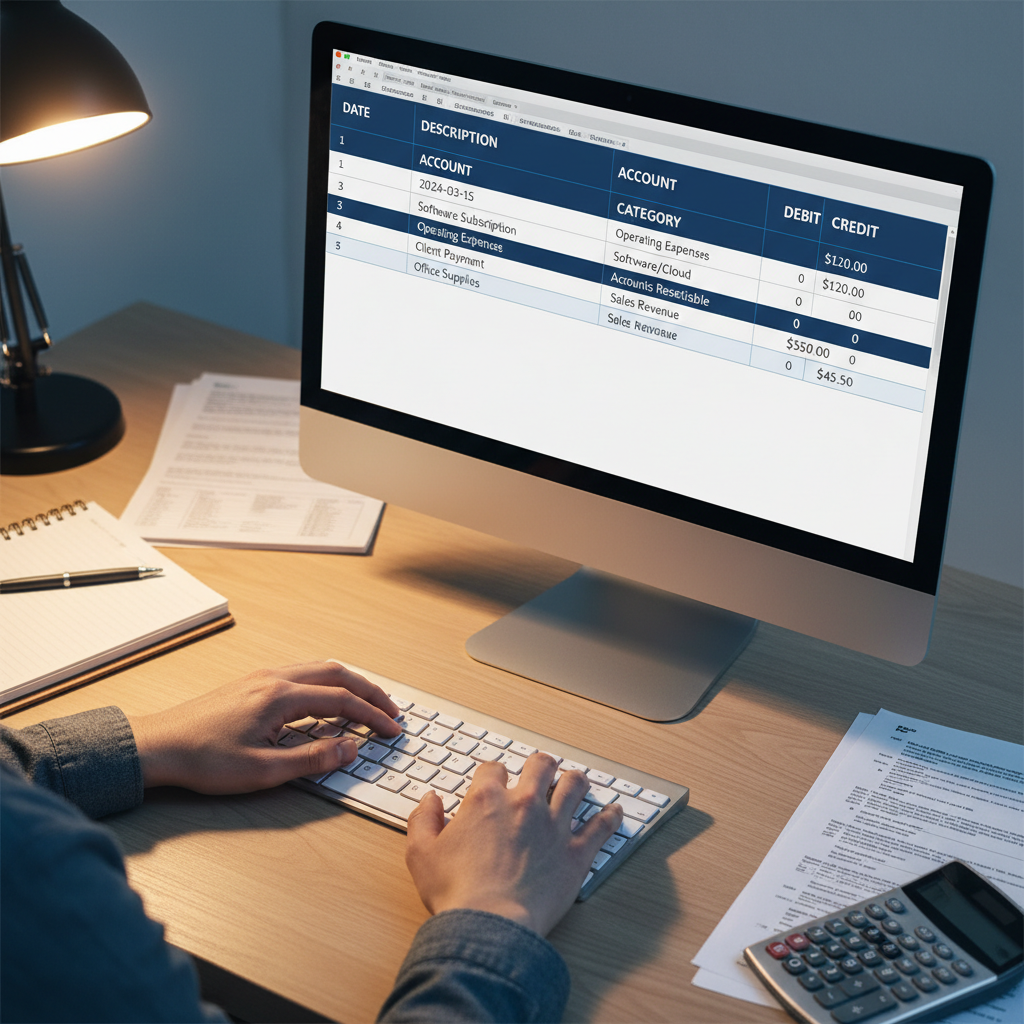
Utilize technology to streamline your bookkeeping processes. Many software options offer automated features such as bank feeds and receipt scanning. These tools reduce manual data entry and minimize the risk of errors. Automation allows you to focus on analyzing financial data rather than inputting it.
Understanding Financial Statements
A key part of bookkeeping is knowing how to read and interpret financial statements. These documents provide insights into your business's performance and can guide strategic decisions. The three main types of financial statements are the income statement, balance sheet, and cash flow statement.
Each statement offers different information. The income statement shows your business's profitability over a specific period, while the balance sheet provides a snapshot of assets and liabilities. The cash flow statement tracks the movement of cash in and out of your business.
Seeking Professional Guidance
While DIY bookkeeping is manageable, there may be times when professional advice is beneficial. Consider consulting with a bookkeeper or accountant for complex financial issues or during tax season. Professional guidance can ensure compliance with regulations and provide peace of mind.
By implementing these DIY bookkeeping tips, small business owners in Bellevue can maintain accurate financial records and gain valuable insights into their operations. With the right tools and a consistent routine, managing your business's finances can be both efficient and rewarding.